Colors of Granada

Spanish colonialists first settled on the northern shore of Lake Nicaragua in 1524. Over the last 500 years, the town of Granada has changed little, with many of the area's early buildings still defining the skyline. Despite catering to a new economy, Chaco-wearing tourists with zip-off cargo pants and Teva bucket hats, some buildings are still made of adobe, and horse drawn carriages still carry food and produce around the rough streets. A few weeks back, I visited Granada not as an early colonialist or missionary but as a sunburned and gluttonous gringo fresh off a week of surfing.

Windows boarded up during the heat of the day.

Lacking apparent rhyme or reason, each house has its own color combination and the sidewalks change like in the Billie Jean music video. As I walked around the streets of Granada, the juxtaposition between humble materials and construction and cheerful colors caught my eye like drunk hippies at a music festival.
Brick, dirt, adobe, cement, rock, wood, and some turquoise paint.
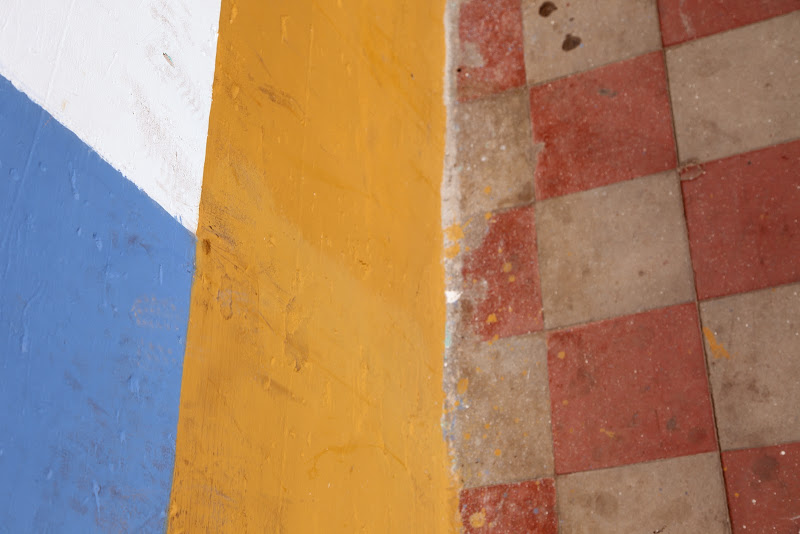
Sidewalk meeting the wall of a house.

Out of necessity and abiding to no apparent codes, power lines and regulators dotted the walls like a single scar on an old, weathered face, marking each individual homestead.

An old Nicaraguan woman talking with her neighbors.

One eye open.
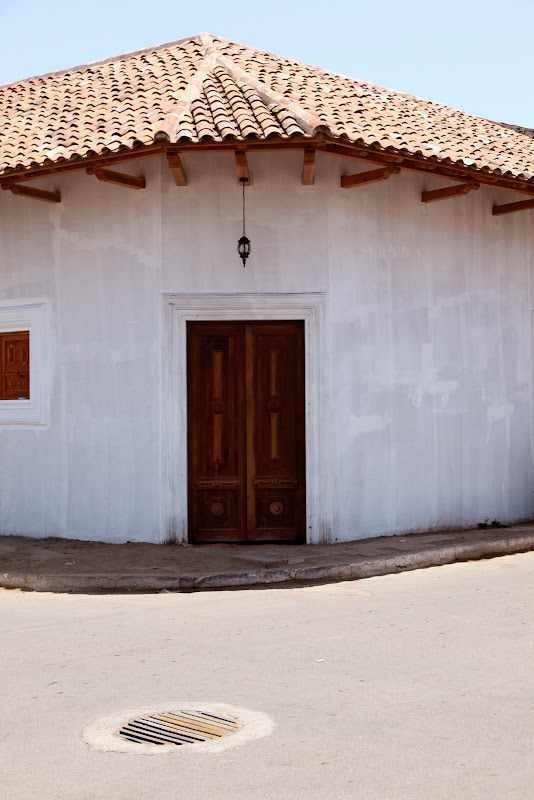
Hardwood, handmade doors.
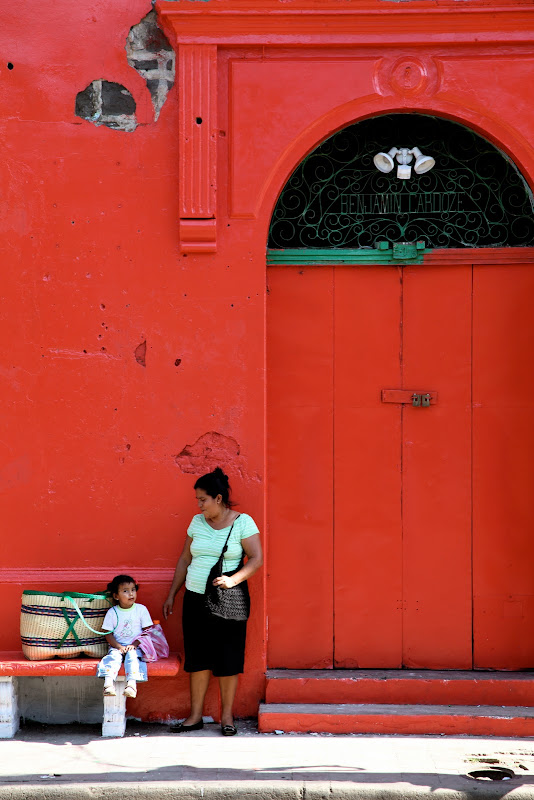
Without looking cartoonish or belonging in a soon to be bankrupt suburb of Las Vegas, the vibrant colors made me smile. It looked like a group of mischievous boys had bashed a wall here and there with a sledge hammer and painted a square patch on a white wall just to prove they could. It didn't feel contrived or thought-out because it wasn't, that's why it's beautiful.

Here are some more links,
Granada (Picasa),
Nicaragua (ART),
Doors (ART).
15 Comments

Food from Nicaragua


"Me gusta el plato de frutas y una Tona por favor," I gingerly said hoping my ear-to-ear smile would mask my butchered verb conjugations and gringo accent. Standing behind the wooden bar wiping the top down with a rag, the mid-thirties Nica women giggled, "....y uno grande agua?"

"Si si," I stammered, sitting shirtless and dripping salt water on a stationary stool made out of a tree trunk. I rubbed the two raw marks on my ribs from constant rubbing from the surf board and waited as the cook handed me a cold can of beer and a water. Swimming after waves for five hours a day like a dog chasing sticks works up an appetite, and for a week and a half, I indulged in the food area.

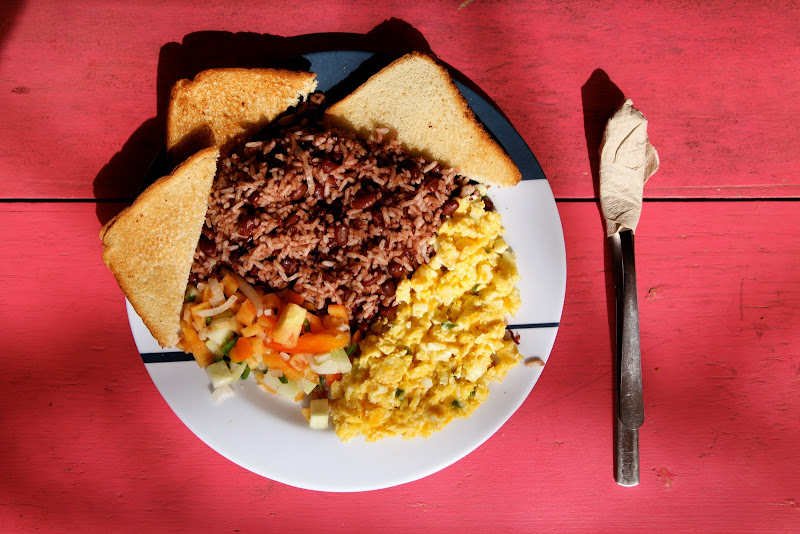
Classic Nicaraguan breakfast; Two Eggs, Pico De Gallo, Rice and Beans.

Five minutes and a few glasses of fresh squeezed orange juice later.

For breakfast, lunch and dinner, a trio of three Nica women in this kitchen whipped up some of the most delicious meals I have ever had.

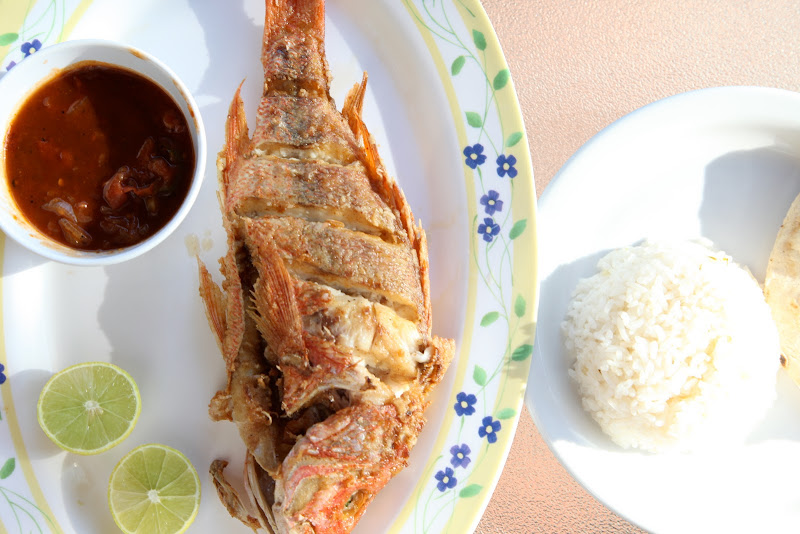
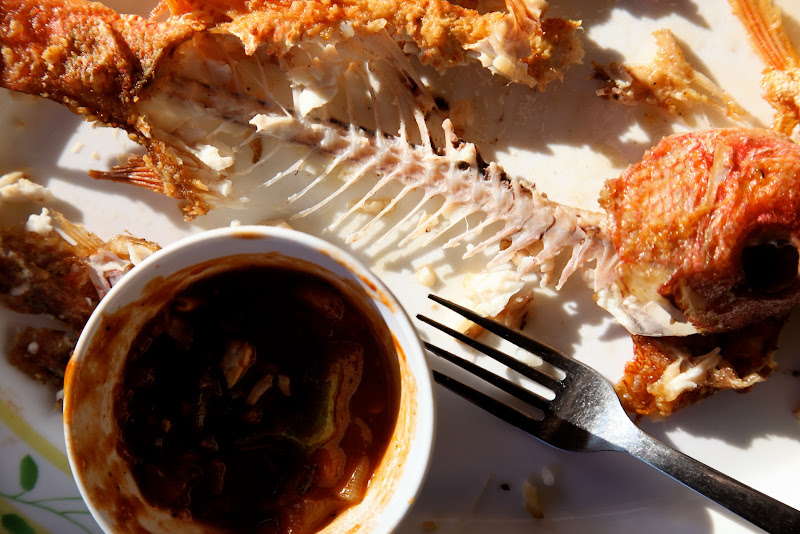
For dinner, I ate fish: fried fish, grilled fish, fish fillets, and entire fish.
Huachinango (Red Snapper).

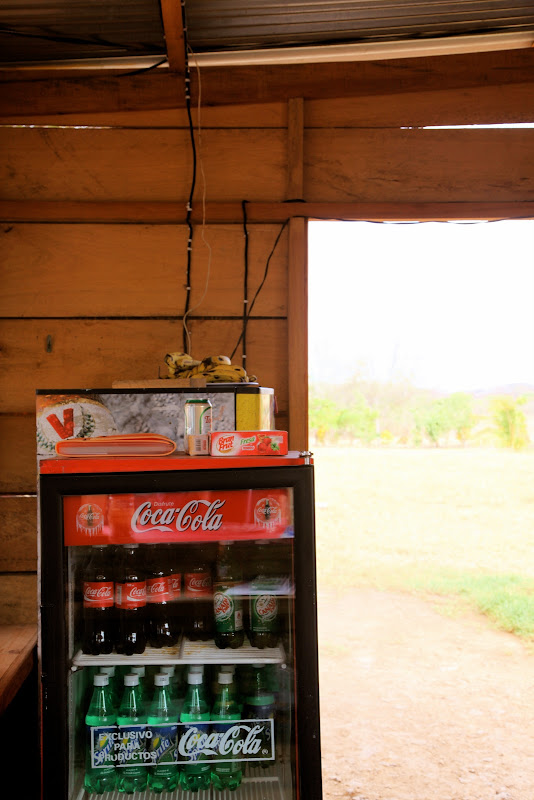
The fridge.

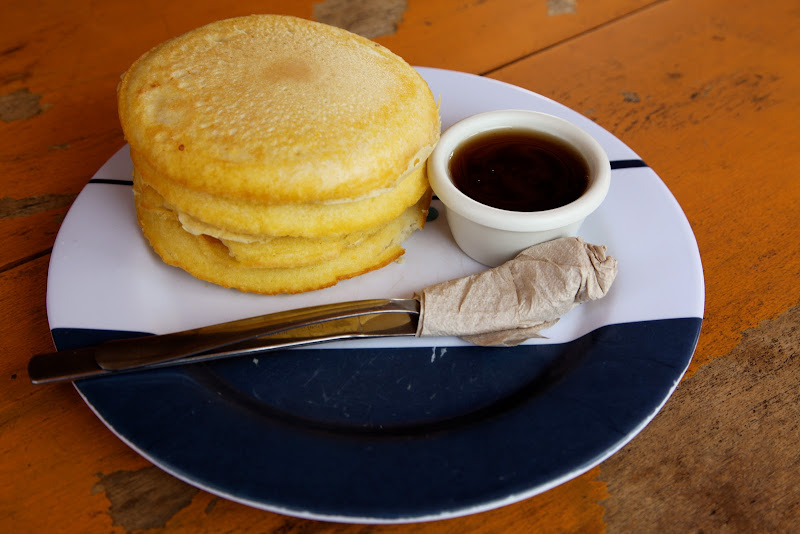
Breakfast of champions.

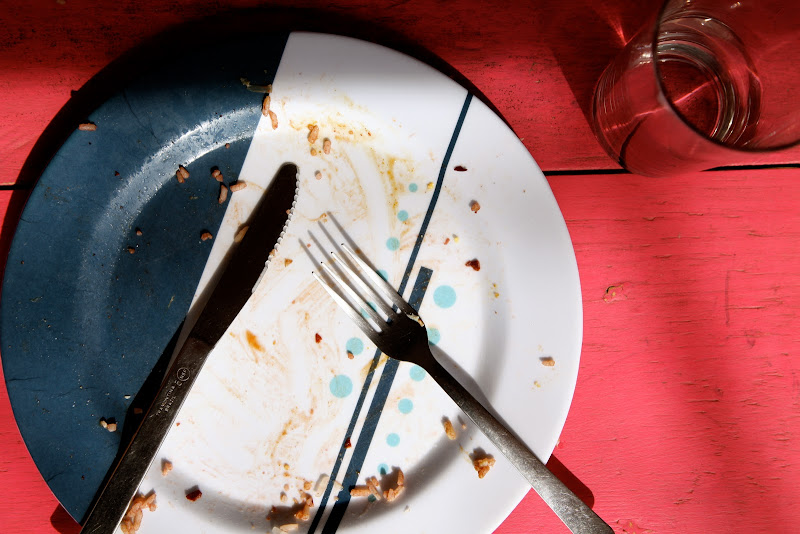
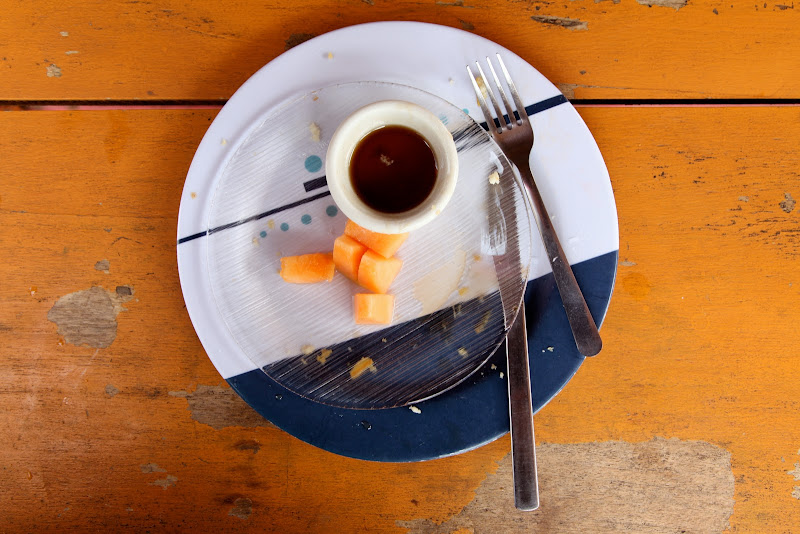
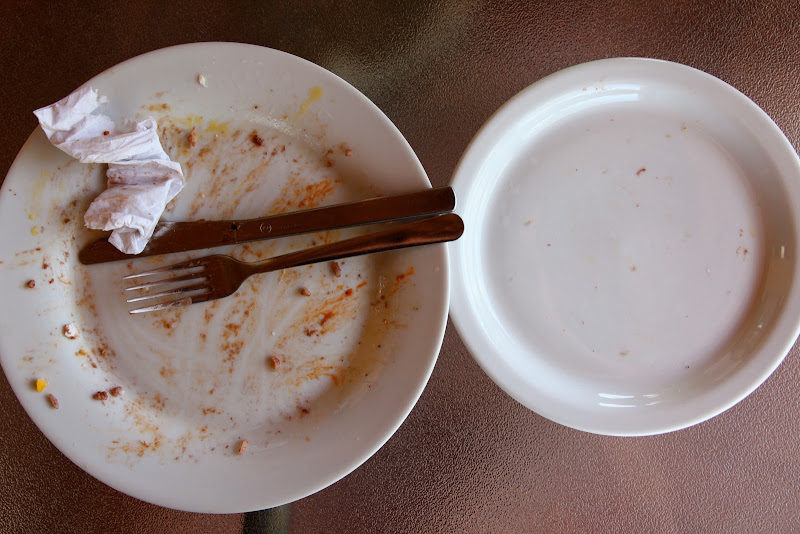
Refueled.

Chris enjoying his breakfast after a two hour morning session.

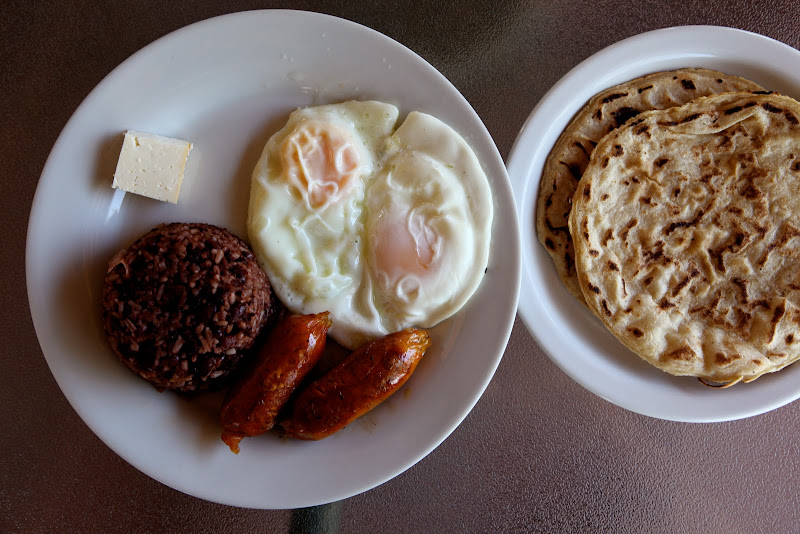
Chorizo, rice and beans, tortillas, and two fried eggs.

I had plenty of second breakfasts.

Reward..

Anticipation..

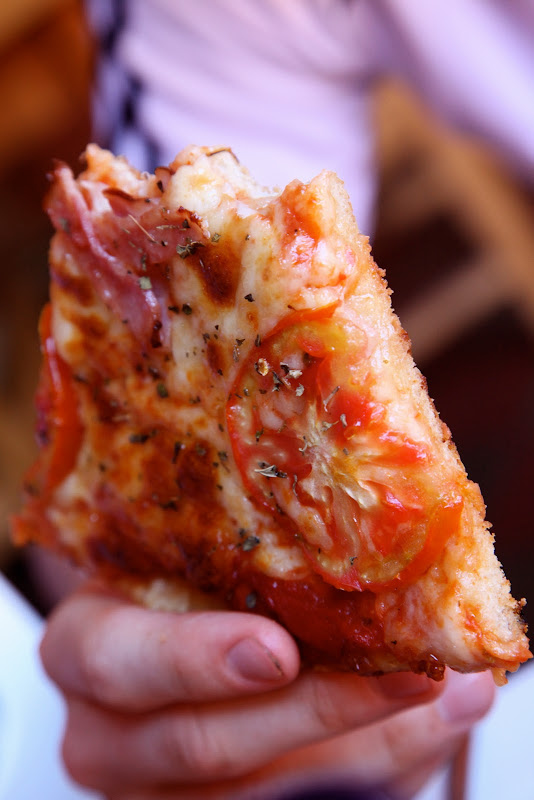
Huff and Puff cooling; discussed by few, but known by many overzealous pizza eaters.

Food does not have to be complicated to taste good. Instead of relying on complicated recipes and presentation, the cooks in Nicaragua used quality ingredients and compassion to make their food. I like simple things.

Here are some more links,
Food form Nicaragua (Picasa),
Food (ART).

6 Comments

My Time Nicaragua

I woke up before the alarm went off. Twice. Excited by the prospect of leaving Maine and my desperately small college behind in search of waves and 70 degree nights on the Nicaraguan coast, I forgot to brush my teeth as I grabbed my backpack and checked for the essentials: passport, wallet and camera. Like an overexcited 11 year old coming home from his first sleepover, I fell asleep in the passenger seat of Dan's Highlander somewhere north of Portland on our drive towards Logan Airport. Just in case our excitement hadn't fully manifested in my near sleepless night filled with fantasies of playing in the surf and eating fish, we arrived at the airport four hours early.

Traveling with only our backpacks and boards, we passed through customs in Managua without a question about our destination or return flight. After a two and a half hour cab ride on dirt roads through Nicaraguan pastures and farmland, we got our first glimpse of the arid shoreline and heard the first clap of swell rolling in across the Pacific. For the next week and a half, two of my closest friends (my sixth-grade locker partner Will and my college roommate Dan) and I played like lost boys.

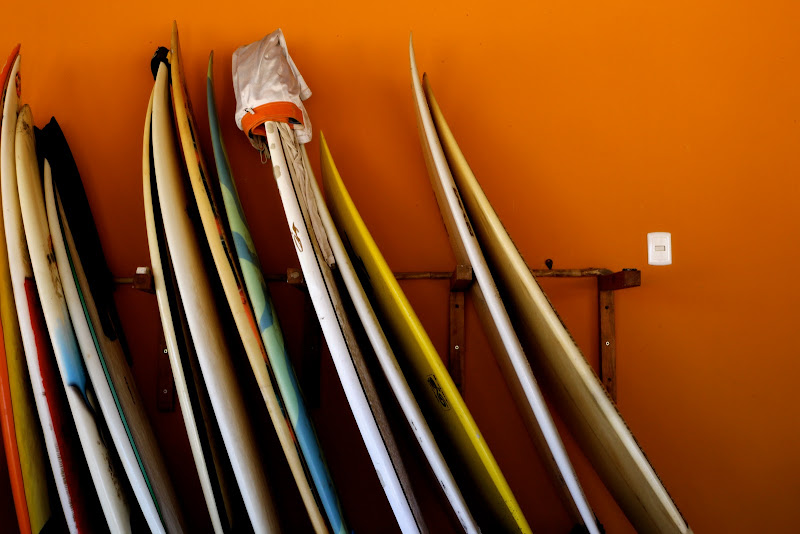
Disconnected from computers, cell phones, and work, we wandered the beaches of Nicaragua. At high tide we surfed. During the heat of the day we hid in hammocks in the shade. When our restlessness got the better of us, we scrambled to the thundering waves of the sea across the beach's sweltering sand only to return to the protection of our hammocks after force-filtering a few gallons of salt water through our sinuses. Hundreds of miles away from the nearest umbrella-protected drink, we ate our fill of fish and beans and rice. We talked with Ex-pats and Euros over the cheap national beer about books, life and waves as stars rose, uninfected by light pollution.

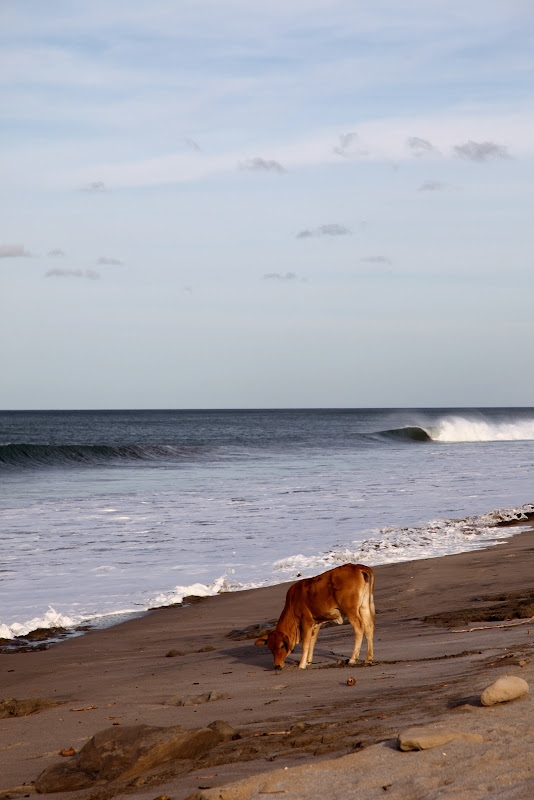
Cows roamed the beaches, running from whitewater and picking at pieces of washed-up debris in search of food.

To quote Johnny Utah, "Nice Point break. Long Workable Rides."

Dan watching the waves close out at high tide.

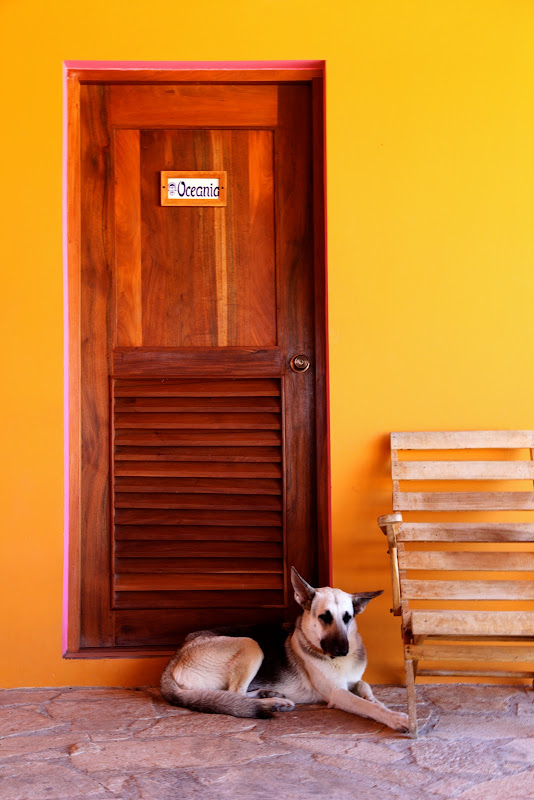
The trustful watchdog.

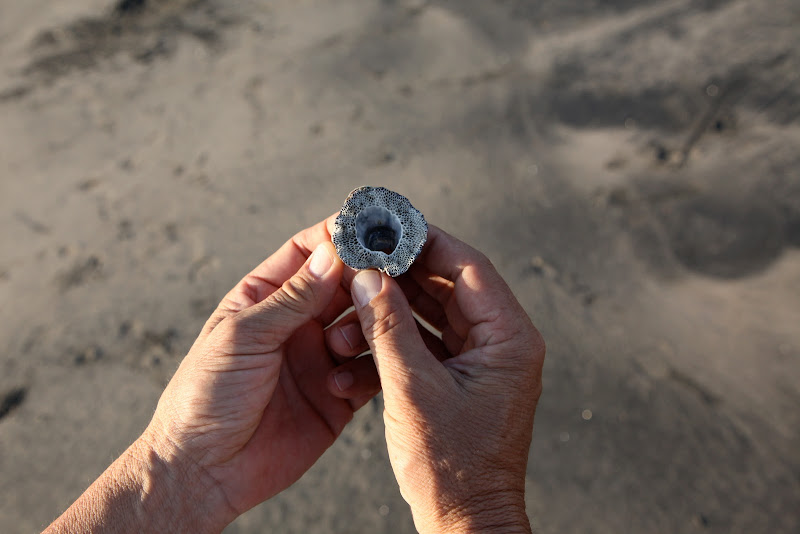
Some deceased mollusk.

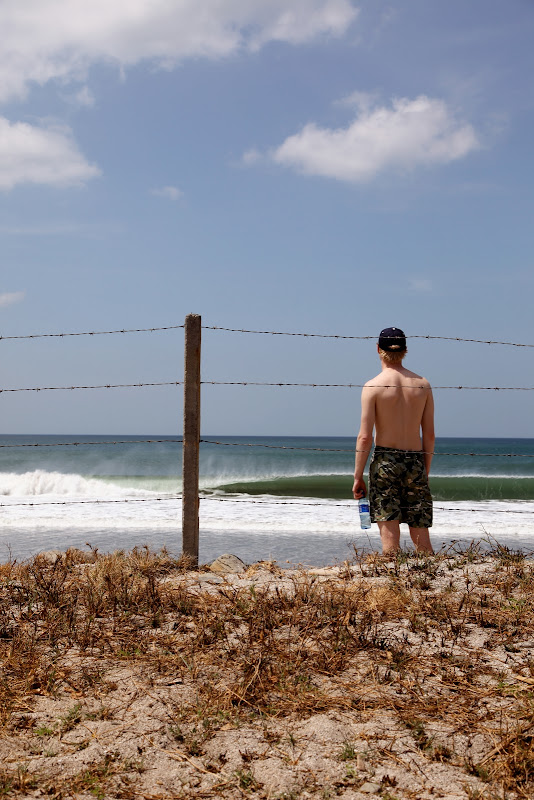
Will points to a set of waves pitching upwards like frost heaves on a New England country road.

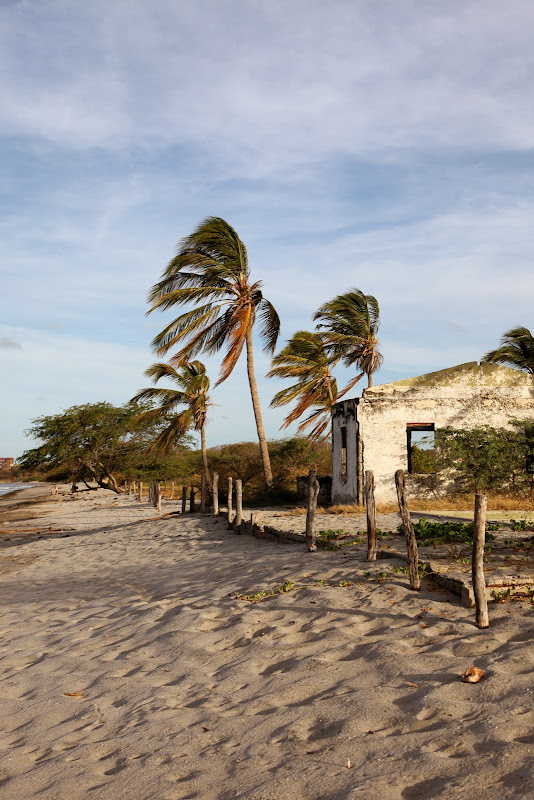
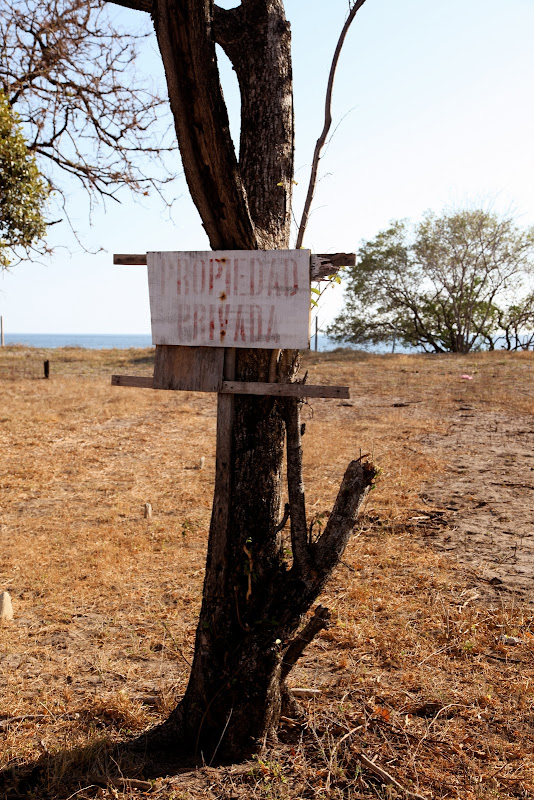
Twenty years of civil wars and numerous campaigns for land reform left the coast line peppered with vacant houses and undeveloped stretches of land. For better or worse, the turbulent political and economic climate in Nicaragua has kept development of the coastline to a bare minimum.

In the distance white spray marks the peeling of waves on the reef.

A Nica line fisherman.

Our arrows in their quiver.

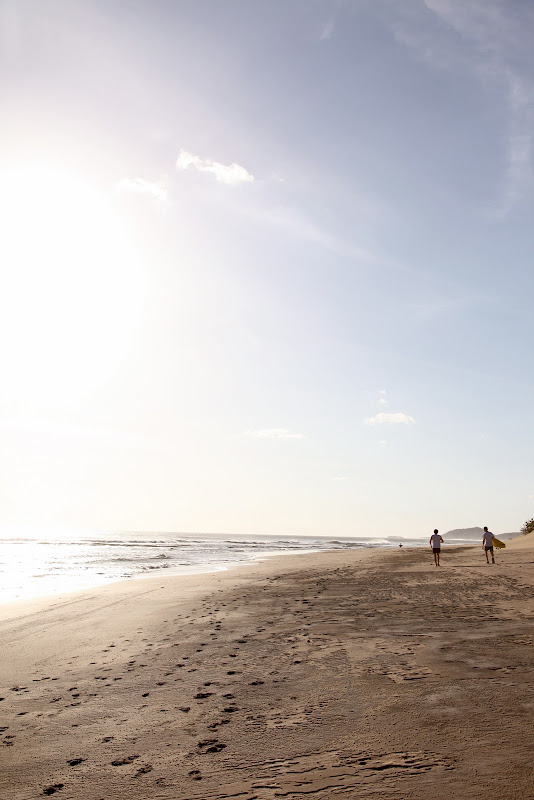
Two lost boys walking down the beach towards a reef break.

My hair got lighter and my skin darkened as the salt, sand and sun penetrated everything I had. Adhering to the, "No News is Good news" ethos, I went incommunicado.

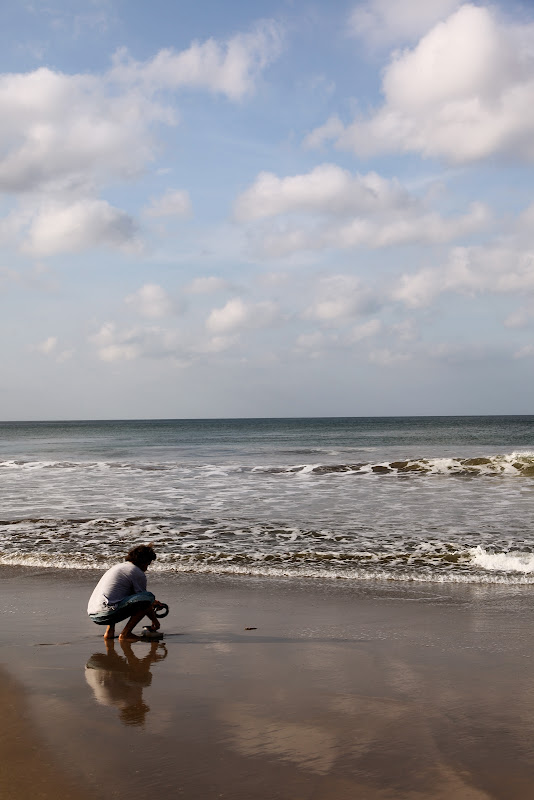
Barefoot, we ran down the beaches excited by the sound of waves and motivated by the heat of the sand.

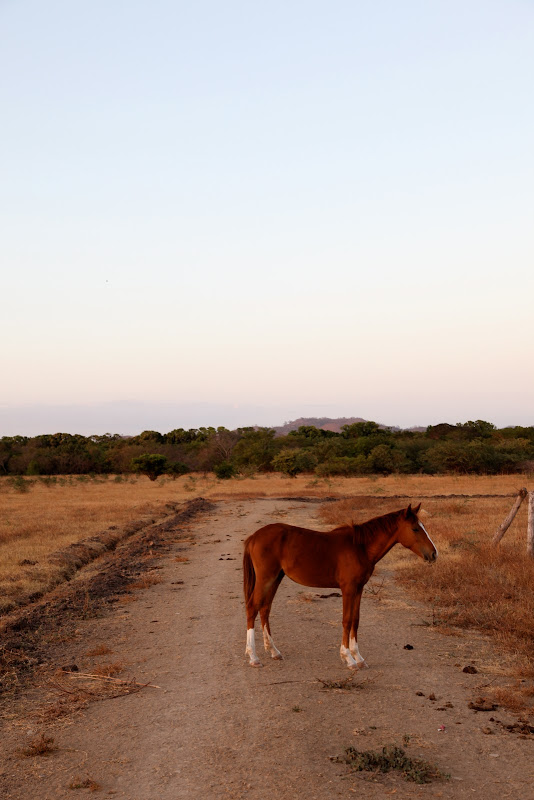
A horse at sunset.

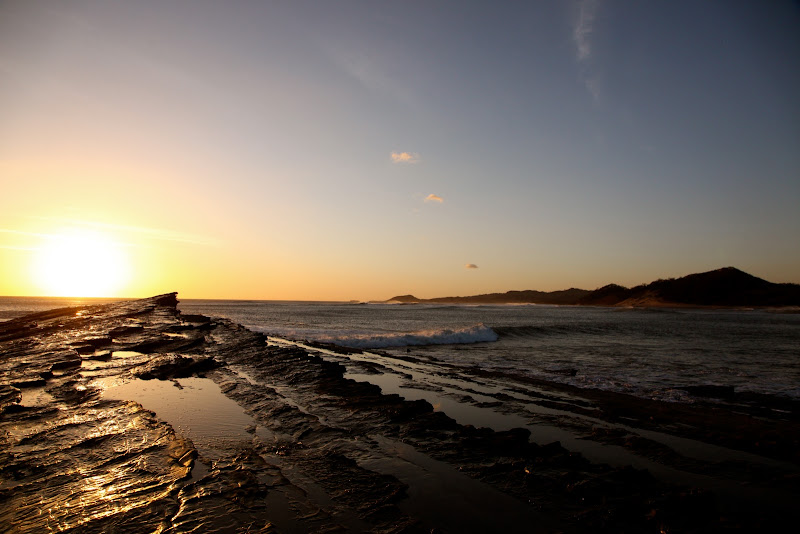
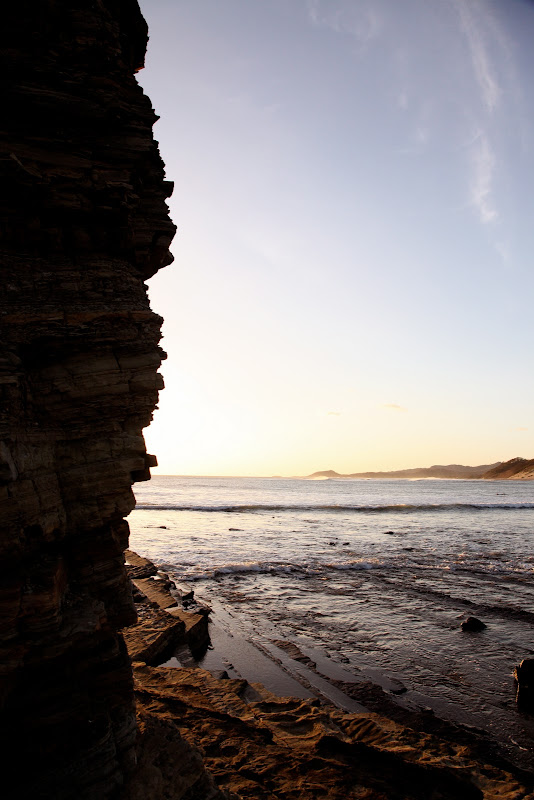
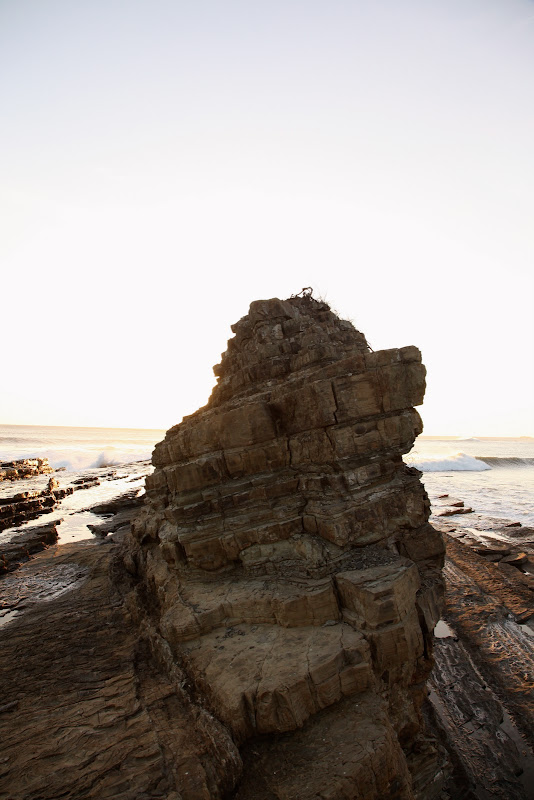
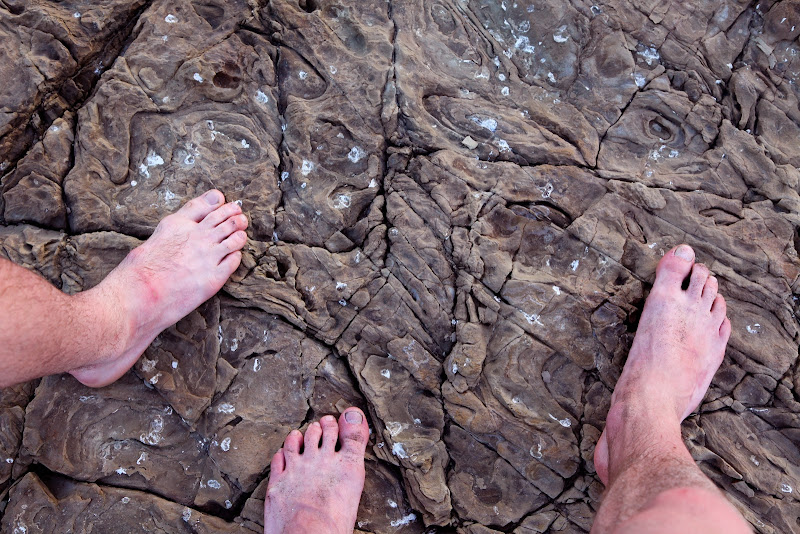
As the sun set, Will and I walked out on a point to watch waves crash in. Scrambling around tidepools we edged our way farther out on the rocks. In the distance, Dan hooted as he dropped in on a waist-high wave.

"I caught my first tube today, sir" Will yelled back at Dan as he bent over and fingered a flat stone out of a crack. With a deft flick of the wrist, he skipped the stone across the tide pool towards the sinking sun. I was on vacation.

39 Comments

A Farewell To Winter

"The snow is gone and it's not coming back," a baker at the farmers market told me recently. Impressed by his beard and suspenders, I took his word as gospel. The rivers are humming with water from a mild winter's snow. Dead set on maximizing their lawns, Mainers are raking up gravel and sand deposited by the county's army of plows.
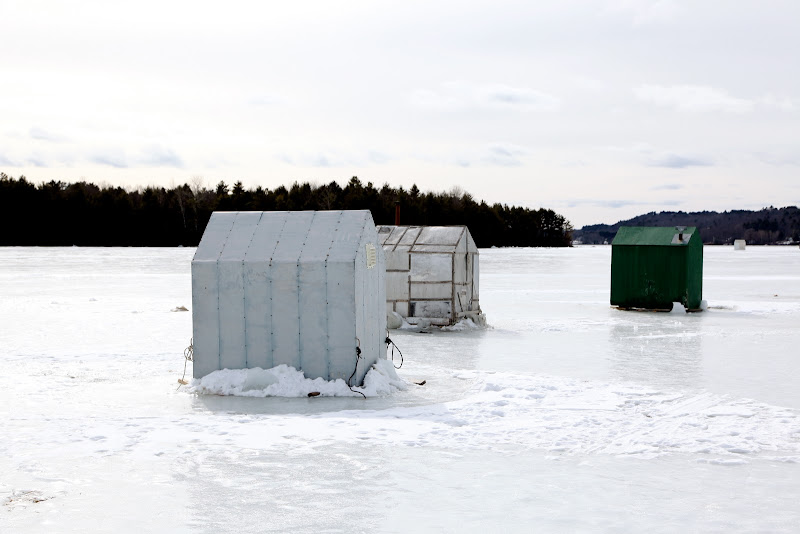
I live in a shanty in a shanty town.

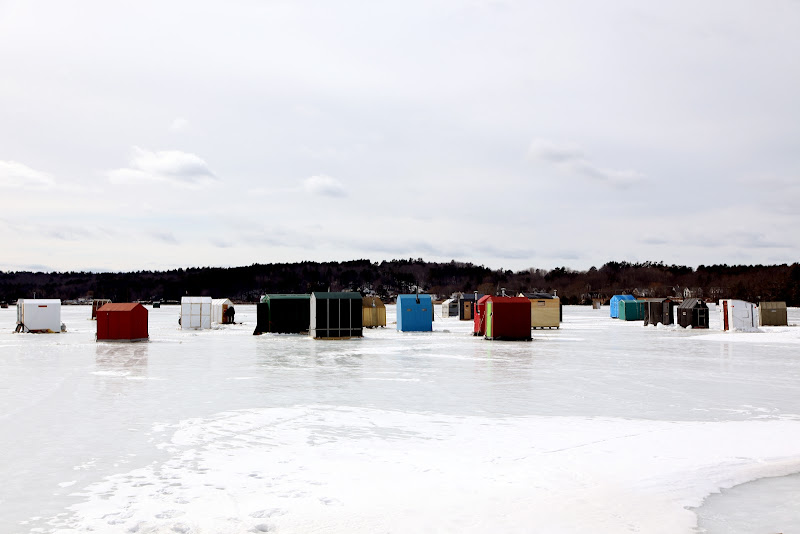
Signs warning of thin ice pepper the edges of lakes as open water slowly gains confidence around the perimeter and then spreads towards the center like kids at a middle school dance.

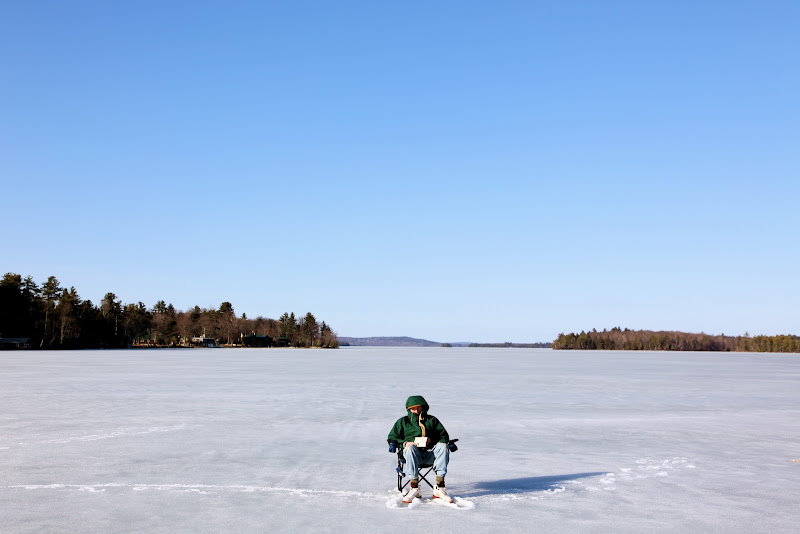
Tucker reading out on the ice on one of the last days of winter.

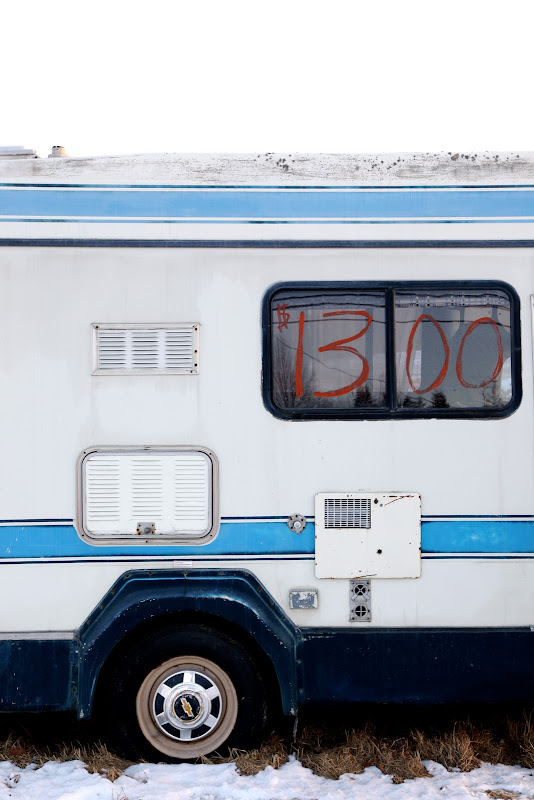
For Sale by Owner.

As you read this I will be in Nicaragua, playing in 85 degree water like a seven year old at Chuck E. Cheese.

Protecting a Mainer's back yard, these ice shanties won't see redeployment for another nine months.

Things weather fast here.

Chirping birds in the morning are bitter sweet. I will miss the reality of Maine winters that shatters the romantic ideals of snowball fights and warming up by the fireplace, but at the same time makes the bonds to seasons more long lasting and genuine. All good things must come to an end, and, like my time in Maine, a new opportunity is here.

6 Comments